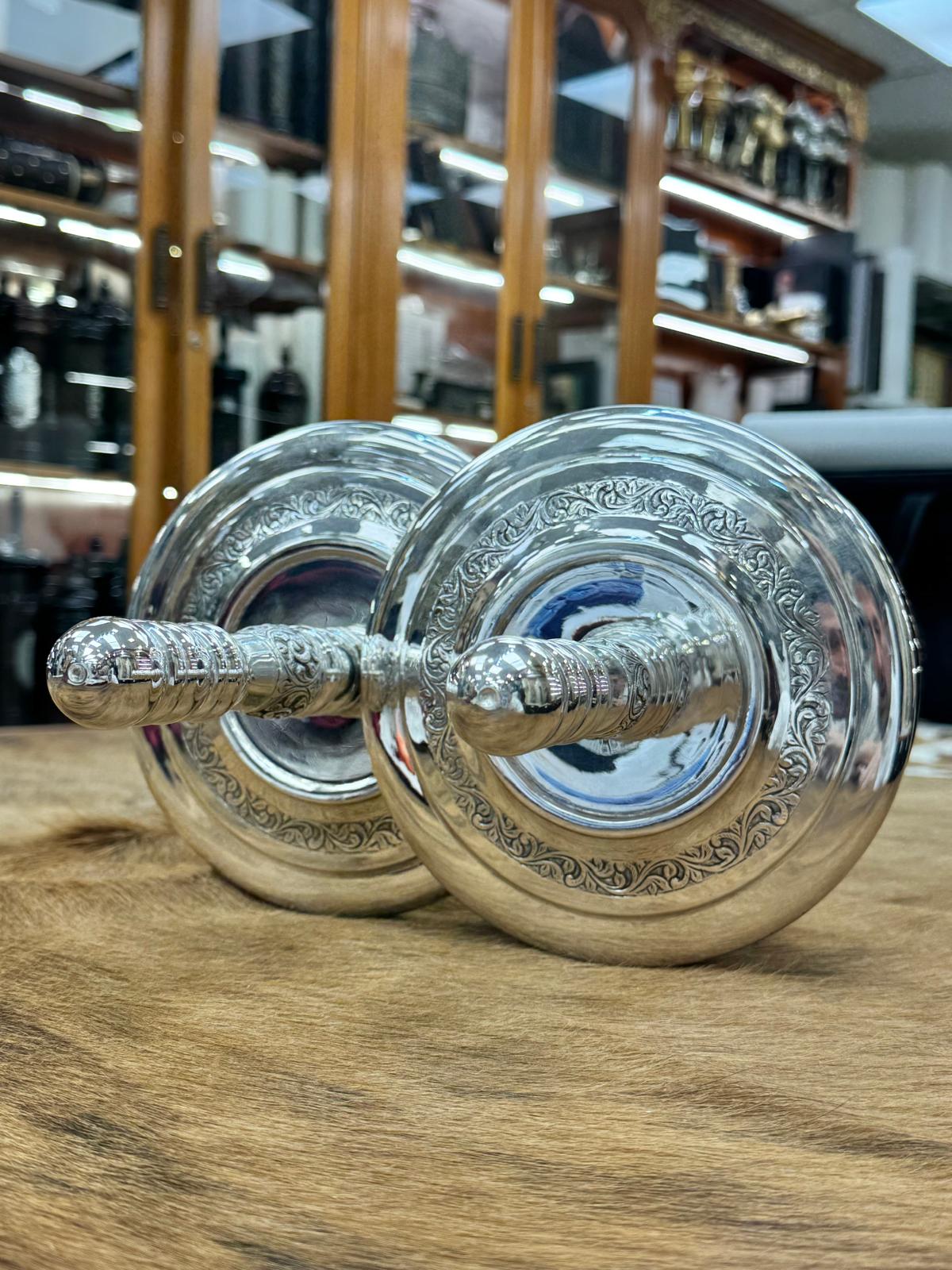
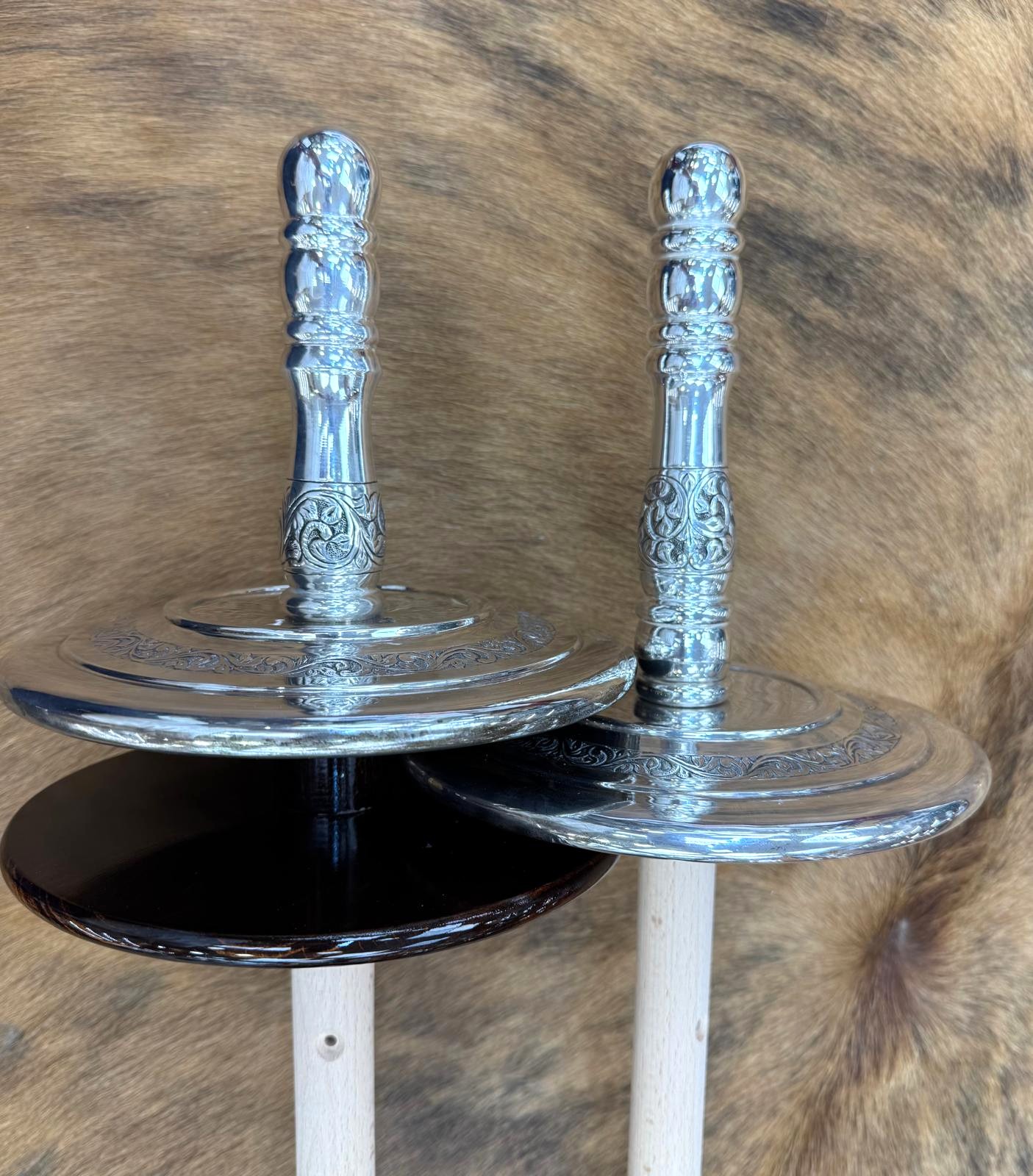
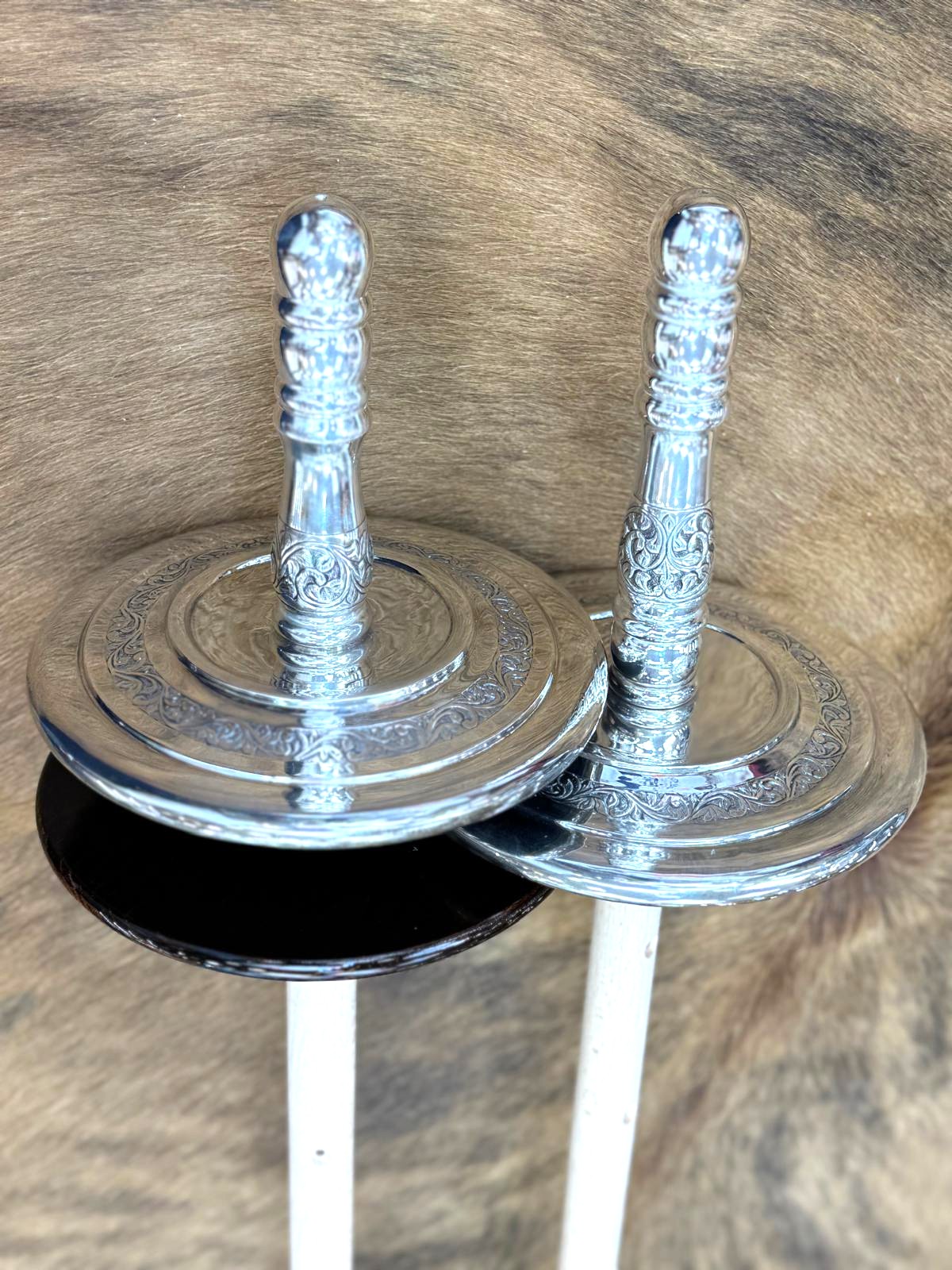
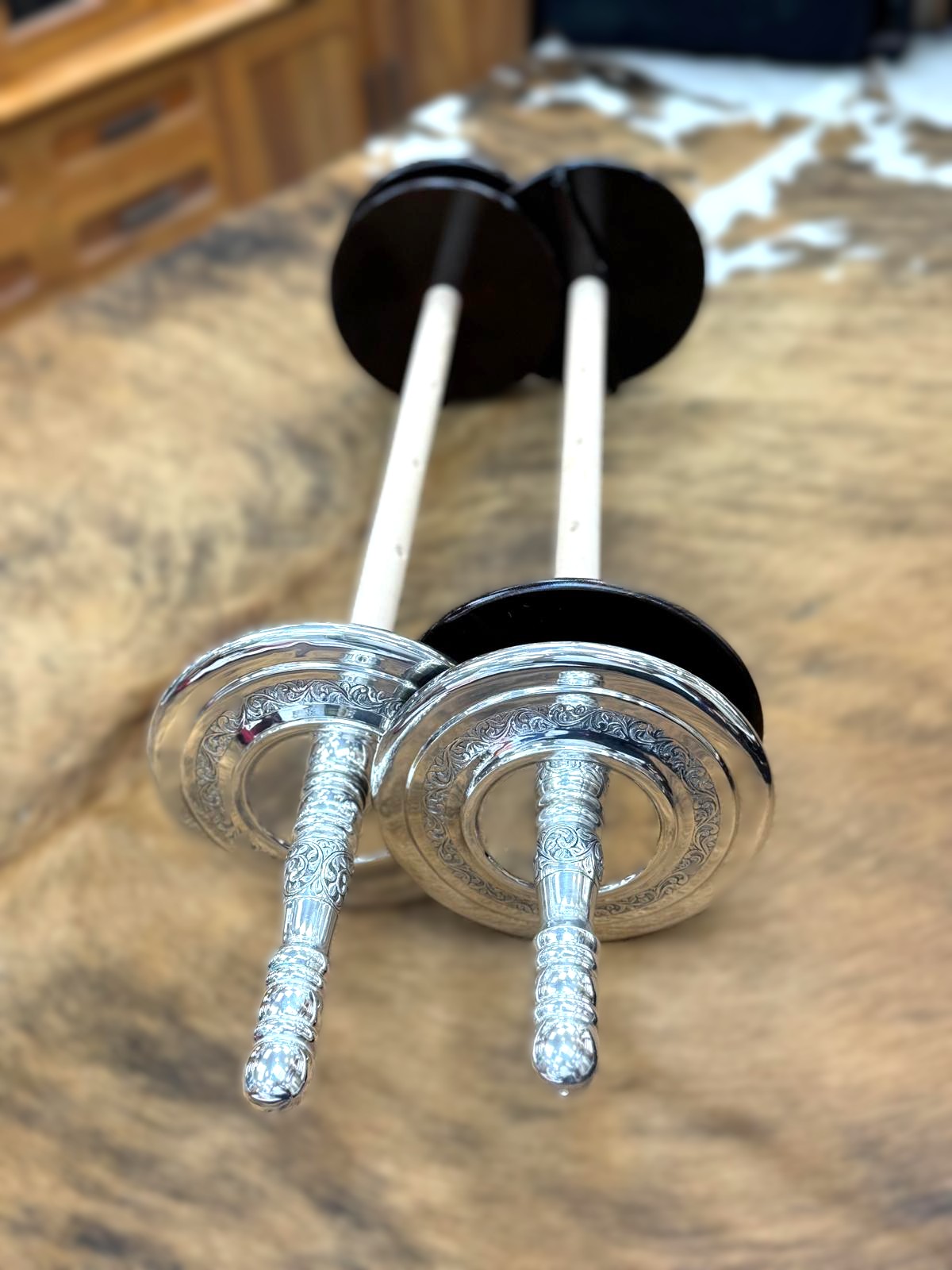
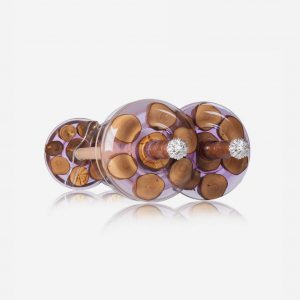
“Zeh Eli v’Anvehu” – Hiddur Etz Chaim for the Sefer Torah
In the Book of Exodus, after the splitting of the Red Sea, the Children of Israel sang: “Zeh Eli v’Anvehu” (This is my G-d and I will exalt Him) – the Sages expound (Shabbat 133b): “Beautify yourself before Him with Mitzvot – make before Him a beautiful Sukkah, a beautiful Lulav, a beautiful Shofar, beautiful Tzitzit, a beautiful Sefer Torah – with beautiful ink, with a beautiful quill, with a beautiful Sofer, and with beautiful Etz Chaim.”
From here the Sages learned that there is a Mitzvah of Hiddur to invest not only in the essence of the Mitzvah – but also in its external form, for honor and glory before G-d. And when we speak of the Sefer Torah – the soul of our lives and the crown of our Torah – there is nothing more natural than to beautify also the rods upon which it rolls.
Etz Chaim – not merely a technical function
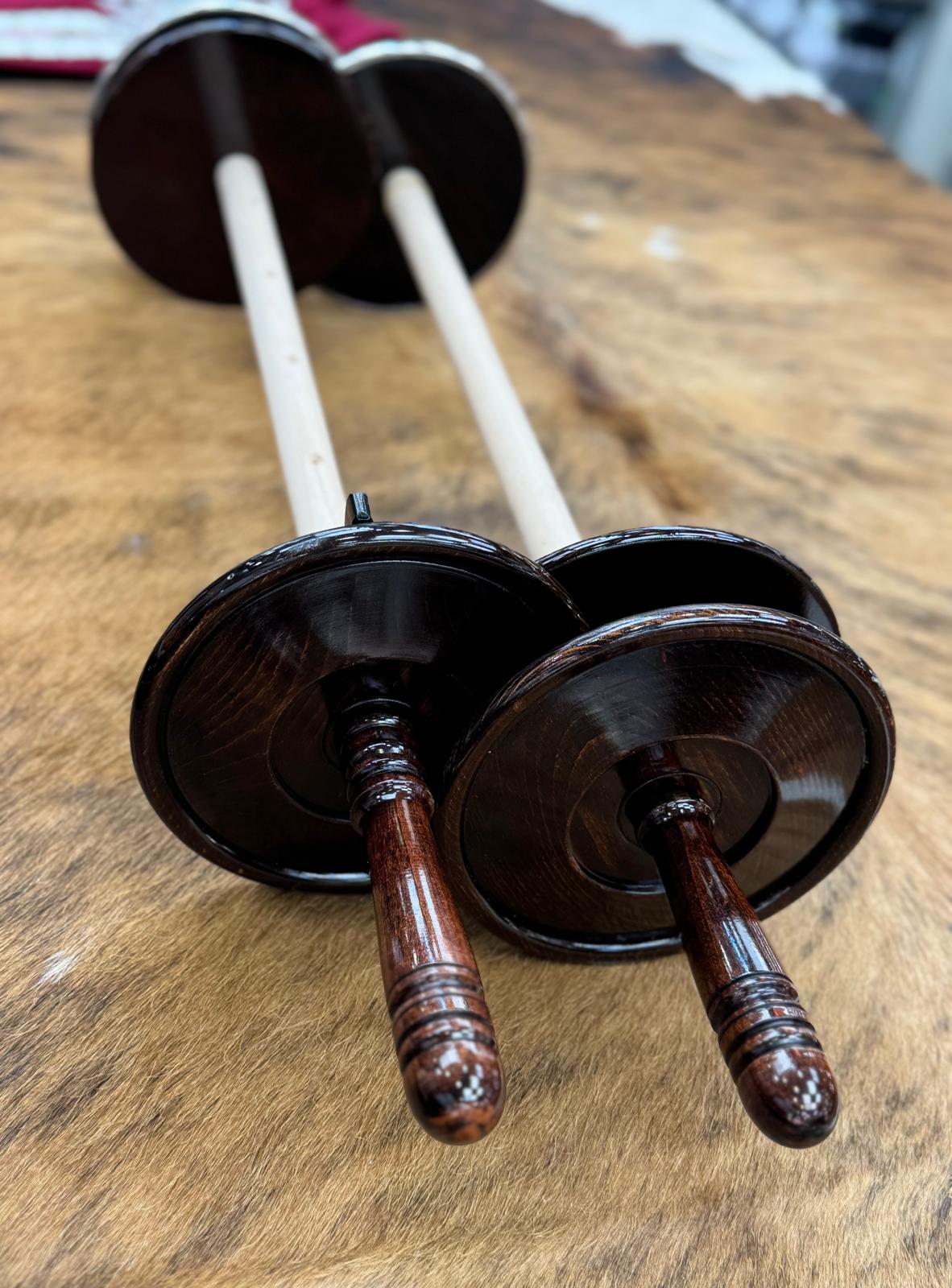
The Etz Chaim, those wooden rods upon which the Sefer Torah is rolled, are the body that carries the soul – the written parchment. Beyond the function of holding and carrying, they have symbolic value: the rods are called “Etz Chaim” (Trees of Life) – akin to the verse “It is a tree of life to those who grasp it.” They carry the Torah and give it form, height, and design.
The more mehudar the rods are – the more the synagogue and community express their respect for the Sefer Torah, their investment and love for the Mitzvot, and their connection to the heritage of Israel at the highest level.
Aspects of Hiddur
Quality of wood – mehudar Etz Chaim are made from strong, durable, and valuable woods (such as walnut, mahogany, olive wood, beechwood) that last many years and impart a sense of splendor.
Handwork – rods hand-carved, with decorations, engravings, and sacred inscriptions (such as “Crown of Torah,” “Hear O Israel,” and others), giving a sense of grandeur and prestige.
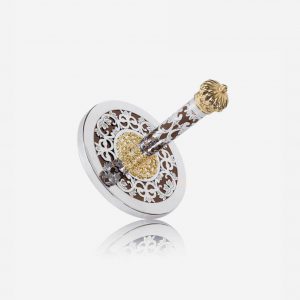
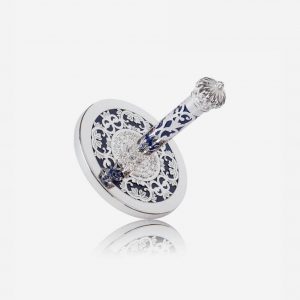
Silver and gold – there are rods that incorporate silver or shiny metal pieces at the top of the rod (the “Rimonim”) – continuing the tradition of Ashkenazi silver Rimonim or the crown jewelry of Sephardic Torah.
Community adaptation – many communities create rods adapted to their style: Yemenite, Babylonian, Jerusalemite, or Ashkenazi, and sometimes even bear symbols of the city, community, or donor.
Hiddur expresses love
When a person invests in mehudar Etz Chaim, he expresses that the Sefer Torah is precious in his eyes. He does not settle for a mere dry fulfillment of the Mitzvah – but rather seeks to “beautify the sacred”. The Sages say: “Whoever beautifies the Mitzvah – the Holy One, Blessed be He, beautifies him”. Hiddur is not pride or extravagance – but rather love of G-d, just as we beautify a table for Shabbat or dress a child for a holiday.